A roof leak after heavy rain is stressful, especially when it seems to come out of nowhere. One of the most frustrating parts is that leaks don’t always show up directly under the problem area, which makes them harder to track down.
From experience, heavy rain often exposes existing weak points rather than causing brand new damage. Here’s what usually causes leaks after heavy rain and what you should do next.
First: Don’t Panic
One leak doesn’t automatically mean the whole roof has failed. Heavy rain can expose small weakness that may have been there for some time without causing issues.
If possible, place a bucket under the leak and protect anything underneath before focusing on finding the cause. You don’t want to want more damage to arise from looking for the cause of the original problem.
Common Causes of Leaks After Heavy Rain
Leaks after a downpour are often caused by:
- Slipped or cracked tiles
- Torn or sagging roof felt
- Blocked gutters causing water to back up
- Failing lead flashing around chimneys or valleys
- Old nail holes letting water track inside
These issues often allow water to get underneath the tiles rather than straight through them, which is why leaks tend to show up after prolonged or heavy rainfall.
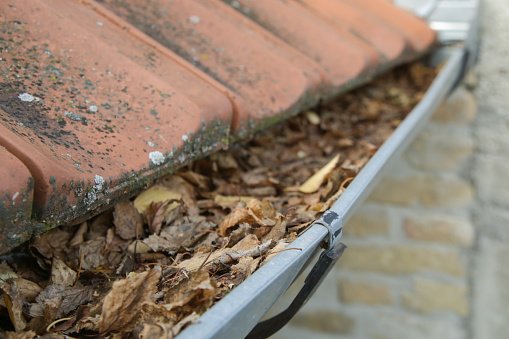
Why Heavy Rain Makes Leaks Worse
Heavy rain puts sustained pressure on the roof, especially in areas like valleys, gutters, and around chimneys. Water can be driven sideways by wind or build up faster than it can drain away, exposing weak points that lighter rain wouldn’t reach.
When to Get the Roof Checked
If the leak continues after the rain has stopped, or if it returns during the next downpour, its usually best to have the roof checked. Ongoing leaks can lead to damp insulation, timber damage, and higher repair costs if let untreated.
Check the Loft First
If it’s safe, look in the loft during or just after rain.
Things to look for:
- Wet timbers
- Drips forming on nails
- Dark patches on the felt
- Water running along rafters
This can help narrow down the source.
Can You Fix It Yourself?
Minor issues like a slipped tile can sometimes be fixed, but climbing onto a wet roof is risky.
Temporary fixes might include:
- Repositioning a loose tile (if safe)
- Clearing blocked gutters
- Covering the area inside until it dries
Permanent repairs should wait until the roof is dry and safe to access.
When to Call a Roofer
You should get a professional in if:
- The leak keeps coming back
- Multiple tiles are damaged
- The felt underneath has failed
- Water is affecting ceilings or electrics
Small leaks left untreated can turn into expensive repairs.
How to Prevent It Happening Again
Prevention usually comes down to:
- Replacing damaged tiles early
- Checking battens and felt during repairs
- Keeping gutters clear
- Making sure flashing is secure
Most leaks are preventable with regular checks.
Final Thoughts
Heavy rain doesn’t create roof problems — it reveals them. Dealing with a leak early usually keeps the repair small and manageable.
A roof leaking after heavy rain doesn’t always mean major damage, but it should never be ignored. Identifying the cause early is the best way to prevent further issues and keep repair costs down.
Pingback: Roof Batten Spacing for Concrete & Clay Tiles (UK Guide) - rooflogicinc.co.uk
Pingback: How to Replace a Broken Roof Tile (Beginner Guide + Safety Tips) - rooflogicinc.co.uk