Winter is one of the hardest times of the year for a roof. Small issues that go unnoticed in summer can quickly turn into leaks, once cold weather, strong winds and heavy rain set in.
From experience, a quick check and a bit of maintenance before winter arrives can save a lot of hassle, further problems and expenses.
If you’re carrying out checks yourself, its worth understanding how different roof components work together, especially areas like Ridge, Valley and Tiles.

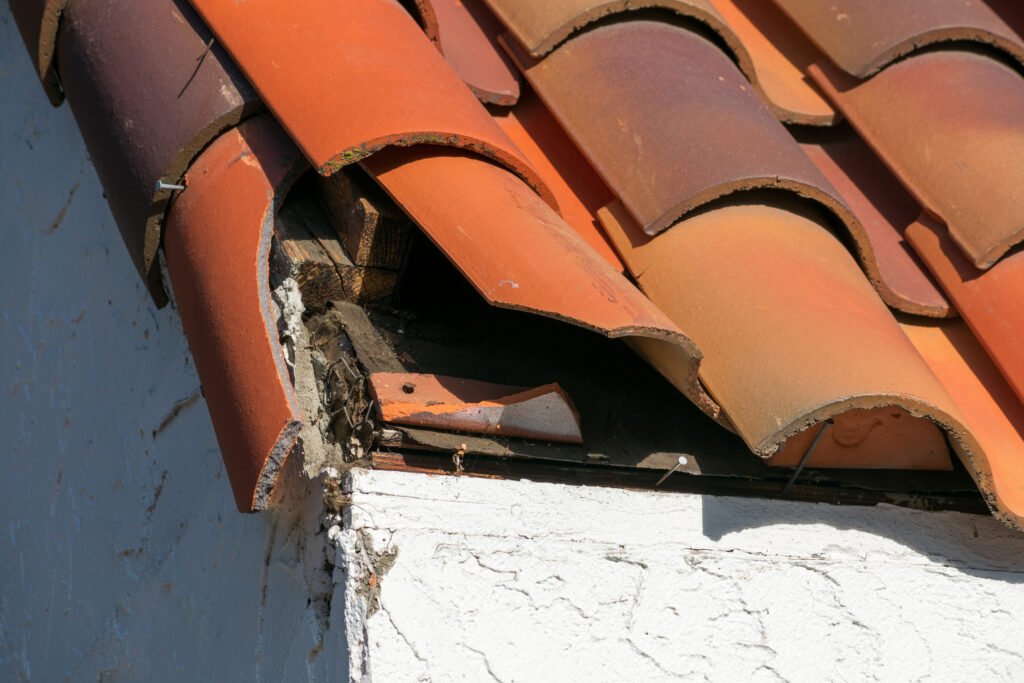
Check for Loose or Damaged Tiles
Before winter sets in, look for:
- Slipped tiles
- Cracked or broken tiles
- Uneven tile lines
Even one loose tile can let wind-driven rain in once storms start.
Loose or cracked tiles are one of the most common problems I come across old roofs or after storms, Even a single tile out of place or not fixed correctly can let wind driven rain get underneath, which often leads to damp patches, loose tiles and leaks inside the loft.
If something looks out of line, its best to deal with it before winter rather then waiting for bad weather to make it worse. Doing this could multiply your current problem. More Problems, More Headache and More Expenses to try and fix.
Loose tiles around the Ridge can be particularly vulnerable in high winds, especially on older roofs without a mechanical fixing system.
Clear Gutters and Valleys
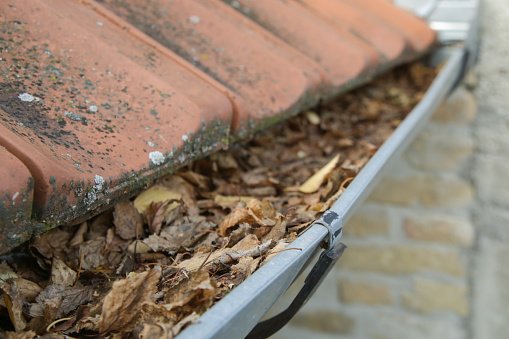
Blocked gutters are a common cause of winter leaks.
Leaves, moss, and debris can cause water to back up and overflow under the tiles at the eaves. Valleys should also be kept clear so water can flow away freely.
Blocked gutters are a big cause of winter leaks, especially during heavy rainfall. When water cant flow away properly, it can back up and find its way under the tiles. Which is actually a pretty common occurrence, which happens sometimes for valleys as well.
Valley are another area to keep an eye on. Leaves, moss and debris tend to collect here, and if they are not cleared, water wont drain and will build. This is one way that valley can potentially leak, especially if the cover is not enough. Making sure gutters and valleys are clear before winter can prevent a lot of avoidable damage and headache.
Safety First
If you’re checking your roof yourself, always put safety first. Use stable ladder, avoid wet or icy conditions, and never walk on fragile or damaged tiles.
If you’re unsure or the roof is difficult to access, its safer to have a professional take a look.
When to call a Roofer
If you noticed leaks, missing tiles, or signs of damp inside your home, its usually best to get the roof checked by a professional.
Catching problems early, especially before winter, is often far cheaper then repairing damage caused by ongoing water ingress.
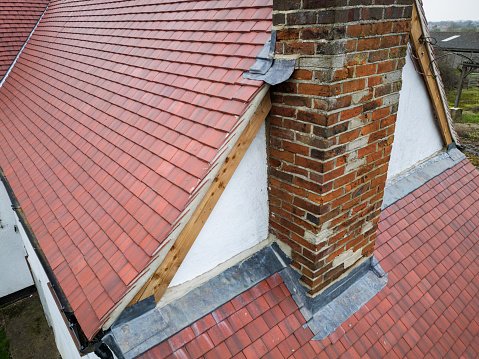
Inspect Flashing Around Chimneys and Walls
Lead flashing can crack or lift over time.
Check for:
- Gaps around chimneys
- Loose flashing
- Signs of water staining nearby
These areas take the most punishment during bad weather.
Water ingress around chimneys often shows up during winter storms, especially where flashing has lifted or cracked.
Look Inside the Loft
A quick look in the loft can tell you a lot.
Check for:
- Damp patches
- Water marks on felt
- Wet insulation
It’s better to spot issues before freezing temperatures make repairs harder.
Replace Small Issues Early
Minor repairs are easier to deal with before winter.
Things like:
- Replacing a slipped tile
- Re-fixing loose ridge tiles
- Sorting small leaks
are far simpler in dry conditions.
Avoid Roof Access in Winter
Once winter starts, avoid going on the roof unless absolutely necessary. Wet tiles, frost, and ice make roof access dangerous and increase the risk of damage.
Final Thoughts
Winter doesn’t create roof problems — it exposes them. Spending a bit of time checking things over before the cold weather hits can save a lot of stress and money later on.
As a roofer, i see lots of winter damage that could of been avoided with a simple inspection earlier in the year. Spending a bit of time preparing your roof before winter really does make a difference.
Pingback: Is It Safe to Walk on Roof Tiles? - rooflogicinc.co.uk
Pingback: How to Felt a Roof (Step-by-Step Guide for Beginners - UK) - rooflogicinc.co.uk
Pingback: How to Install Roof Battens in a Valley (Beginner-Friendly Guide) - rooflogicinc.co.uk