A lot of people assume a roof only leaks when tiles are missing or obviously broken. In reality, many leaks happen on roofs that look completely fine from the ground.
From experience, water can find its way in through several hidden issues beneath the tiles. This sometimes become a right pain to figure out, especially if someone else has done work on the roof or even other trades. Here are the most common reasons a roof can leak even when no tiles appear to be missing.
1. Torn or Failing Roof Felt
Roof felt is the last line of defence. If it’s torn, brittle, or sagging, water can get through even when all the tiles are in place.
Roof felt is the line of defence beneath the tiles. As it ages, it can become brittle or tear, allowing water to pass through even though the tiles above are intact. This is especially common on older roofs where the felt has never been replaced.
2. Slipped Tiles That Aren’t Obvious
Tiles don’t always fall completely out of place. Sometimes they slip just enough to allow water to track underneath, particularly during wind driven rain. From the ground, these tiles can look normal, which is why leaks often appear without any visible damage.

3. Nail Holes and Fixing Points
Over time, nail holes can open up as timber moves and ages. Water can track along nails and drip inside, even though the tile above hasn’t moved.
Over time, nails holes can widen as timber dries out or fixing into the roof space, especially if the felt above has weakened.
Leaks Around Ridges, Valleys, and Flashings
Roof leaks commonly occur around ridges, valleys, and flashings where different roof sections meet. These areas experience more movement and water flow than the rest of the roof.
Even if tiles are still in place, small gaps or movement in these areas can allow water to enter.
How to Spot the Signs
Signs of leak without missing tiles include damp patches on ceilings, staining on walls, musty smells in the loft, or dripping during heavy rain. These symptoms often appear long before visible roof damage.
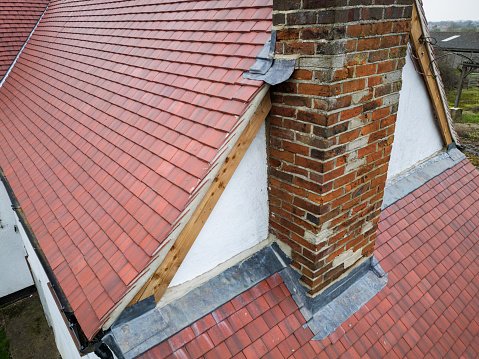
4. Flashing Issues Around Chimneys and Valleys
Lead flashing can crack, lift, or split without being obvious.
Water entering at a chimney or valley doesn’t always show up directly below — it can travel along rafters before appearing inside.
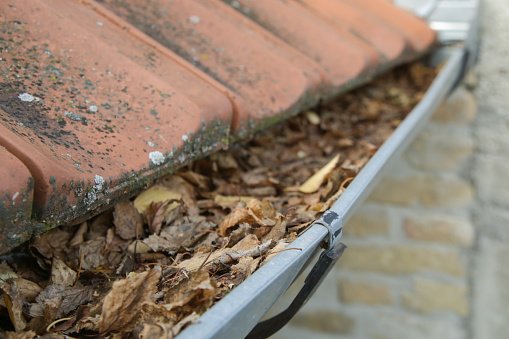
5. Blocked Gutters Causing Backflow
When gutters overflow, water can be forced back under tiles at the eaves. This is especially common after heavy rain or storms.
How to Track Down the Cause
The best place to start is inside the loft.
Look for:
- Damp felt
- Drips on nails
- Water stains on rafters
- Trails showing where water has run
This helps narrow down where the problem starts.
Should You Ignore Small Leaks?
No.
Even a small leak can:
- Damage insulation
- Cause timber to rot
- Lead to mould and damp issues
Catching it early usually keeps the repair simple.
Final Thoughts
A roof doesn’t need missing tiles to leak. Most leaks come from what’s underneath or around the edges, not the obvious areas.
If you suspect a roof leak but can’t see any missing tiles, it’s best to have the roof inspected properly. Identifying the cause early can prevent further damage to insulation, timbers, and ceilings.
Pingback: What to Do If Your Roof Is Leaking After Heavy Rain - rooflogicinc.co.uk
Pingback: How to Felt a Roof (Step-by-Step Guide for Beginners - UK) - rooflogicinc.co.uk