Cracked roof tiles are easy to miss, especially viewed from the ground. A tile can look fine until water starts getting in during heavy rain or snow or pieces break away after bad weather.
From my experience, cracked tiles are often a sign of underlying issues such as age, poor support, or movement on the roof. Here are the most common reasons roof tiles crack and what it usually means for the condition of the roof.
1. Age and Weathering
Over time, tiles naturally wear down.
Sun, frost, and rain slowly weaken them, especially on older roofs. Clay tiles in particular can become brittle as they age.
Older tiles naturally become more brittle over time. Years of exposure to the sun, frost and rain slowly weaken the tile, making it more likely to crack under pressure. This is especially common on older roofs where tiles were not designed for modern weather conditions.
2. Walking on the Roof
One of the most common causes of cracked tiles is people walking on them incorrectly. Standing between battens or stepping on the wrong part of the tile concentrates weight in weak areas, causing cracks that may not be immediately visible.
This is why roof work should always be carried out carefully and with proper knowledge of tile placement and support points.
3. Poor Batten Support
Tiles rely on battens underneath.
If battens are:
- Spaced incorrectly
- Weak or damaged
- Poorly fixed
Tiles rely on proper batten spacing and support underneath, If battens are incorrectly spaced, damaged, or weakened over time, tiles can flex under load and eventually crack. This issue is often discovered when multiple tiles begin failing in the same area.
Cracked Tiles Around Ridges and Valleys
Cracked Tiles are commonly found near ridges and valleys, where the roof experiences the most movement and water flow. These areas are more exposed to wind and weather, increasing stress on the tiles.
If cracking appears repeatedly in these locations, it may indicate movement or inadequate fixing rather than isolated damage.
4. Thermal Movement
Tiles expand and contract with temperature changes.
If there’s not enough movement allowance, or tiles are tightly packed, this can cause cracking over time.
5. Impact Damage
Falling branches, debris, or even tools dropped during work can crack tiles. Sometimes the damage doesn’t show until months later.
What Cracked Tiles Can Lead To
Cracked tiles can:
- Let water into the roof
- Damage felt and battens underneath
- Cause neighbouring tiles to loosen
- Lead to leaks inside the property
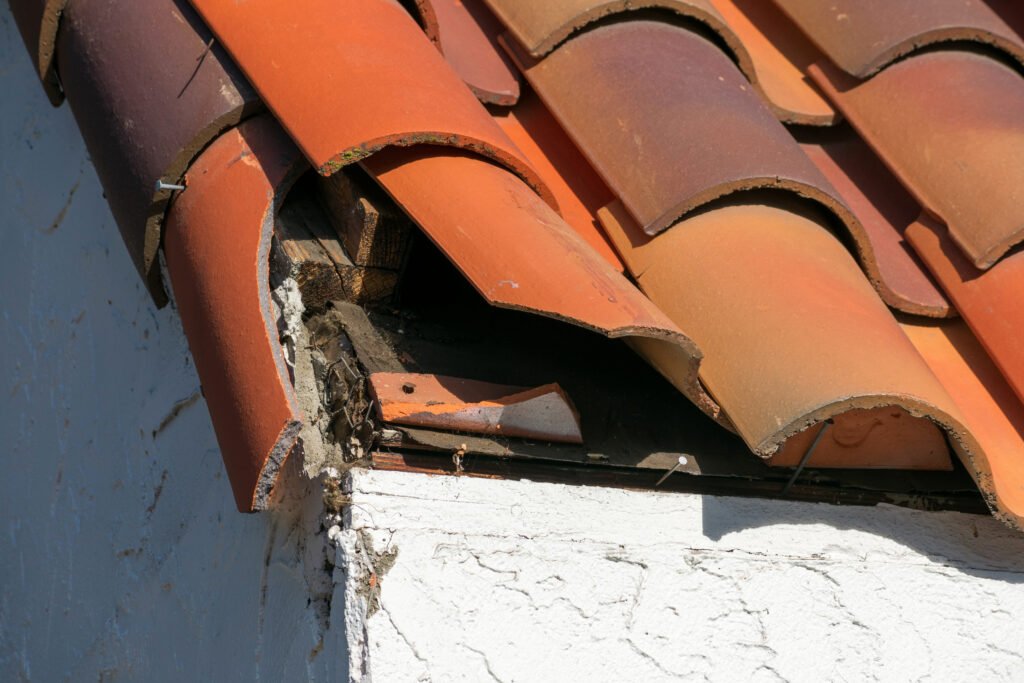
Cracked tiles can allow to track underneath the roof coverings, leading to damp insulation, rotting battens, and leaks inside the property. During winter, water can freeze inside cracks, causing the damage to worsen over time.
Should Cracked Tiles Be Replaced?
Yes.
In most cases, cracked tiles should be replaced rather than repaired. Temporary fixes rarely last and often fail during bad weather. How to Spot Roof Damage From the Ground
Final Thoughts
Cracked tiles are usually a sign of movement, age, or access issues. Replacing them early is much easier than dealing with the damage they can cause underneath. Its best to keep an eye on your roof usually after winter or before, for damage or leaks. This allows you to have be in a good position to repair the roof easier and also keep damage and expenses to a minimum. How Often Should You Check Your Roof?
Pingback: How to Spot Roof Damage From the Ground - rooflogicinc.co.uk
Pingback: What to Do If Your Roof Is Leaking After Heavy Rain - rooflogicinc.co.uk
Pingback: Is It Safe to Walk on Roof Tiles? - rooflogicinc.co.uk