Most people don’t think about their roof until something goes wrong. By that point, small issues have often turned into leaks, damaged timber, or costly repairs.
From my experience, regular roof checks are one of the easiest ways to prevent unexpected problems. knowing how often to check your roof and when, can save you a lot of trouble later on.
How Often Is Enough?
For most homes, checking your roof:
- Once a year is usually fine
- Twice a year is better, especially on older properties
The best times are:
- After winter
- After autumn (once leaves have fallen)
For most properties, checking the roof once a year is usually enough. However, older roofs or those exposed to harsher weather conditions benefit from being checked twice a year to catch early signs of wear.
Why Timing Matters
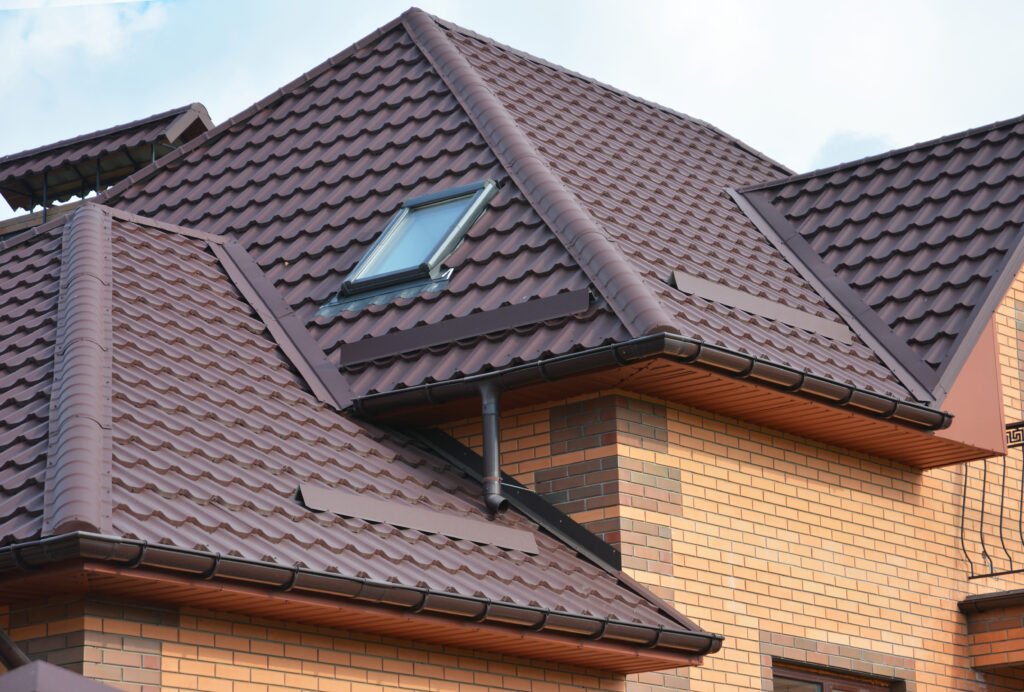
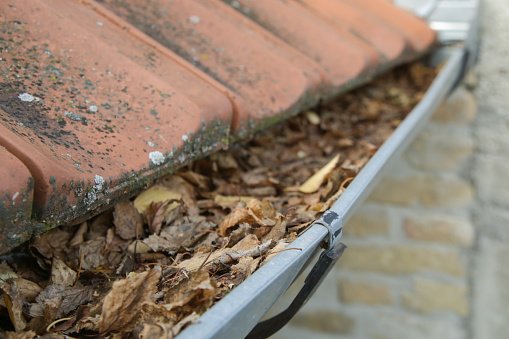
The best times to check a roof are after winter and after autumn. Winter weather can loosen tiles and causes damage, while autumn leaves often block gutters and valleys, leading to water backing up under the roof covering.
Extra Checks After Bad Weather
You should also check your roof after:
- Heavy rain
- Strong winds
- Snow or ice
- Storms
Strong winds can lift tiles, heavy rain can expose weak points, and snow or ice can worsen existing cracks. A quick visual check after bad weather can help spot problems before they develop into leaks.
What Should You Look For?
From the ground, look for:
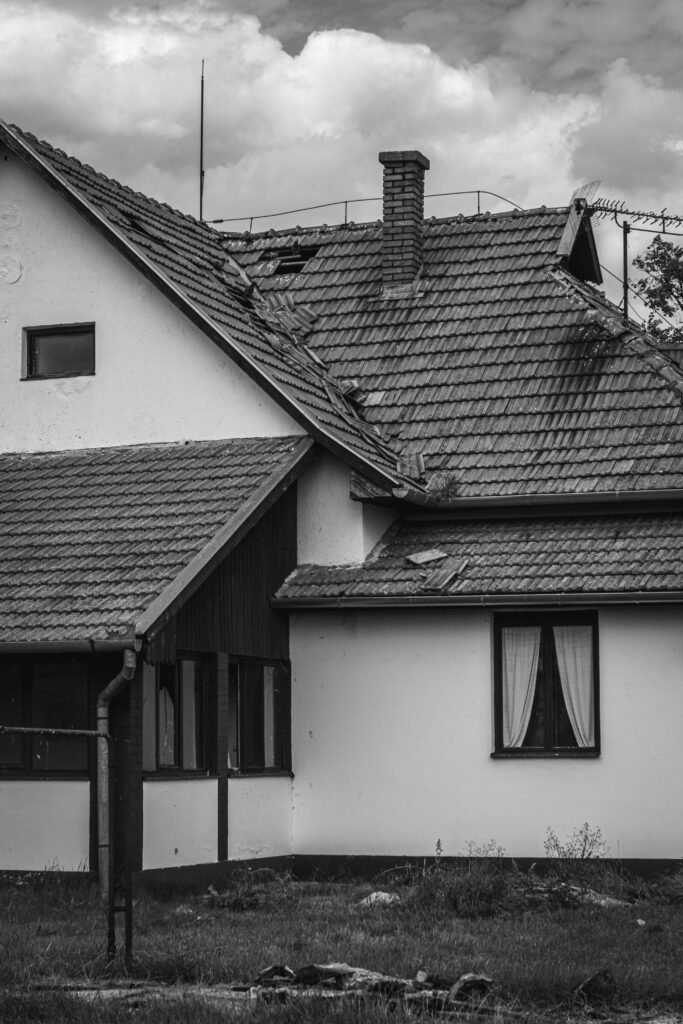
- Slipped or missing tiles
- Uneven tile lines
- Damaged ridge tiles
- Debris in valleys
Inside the loft, check for:
- Damp patches
- Water marks on felt
- Drips on nails
- Wet insulation
When checking your roof, look for uneven tile lines, cracked or missing tiles, debris in gutters or valleys, and any signs of staining on external walls. These are often the first indicators that something isn’t right.
Can You Check It Yourself?
You can do basic checks from the ground and inside the loft.
Avoid:
- Climbing onto the roof
- Walking on tiles
- Using ladders without proper support
Roof checks should always be carried out safely. You don’t need to climb onto the roof, most issues can be spotted from the ground. If access is difficult or something or something looks wrong, its best to get it checked professionally.
Why Regular Checks Matter
Small issues are much cheaper to fix.
A slipped tile might cost very little to sort, but left alone it can lead to:
- Rotten battens
- Failed felt
- Internal damage
Most serious roof problems start as small ones.
Final Thoughts
Regular roof checks don’t take long, but can make a big difference. Catching small issue early is far easier and cheaper than dealing with major repairs later on.
Pingback: How to Spot Roof Damage From the Ground - rooflogicinc.co.uk
Pingback: Do Roof Battens Need Treating? (What We Actually Use on Site) - rooflogicinc.co.uk