This is something that comes up a lot, especially on strip-and-retile jobs:
“Can we reuse the old battens?”
Sometimes the answer is yes. A lot of the time, it’s no. From my experience, the mistake people make is assuming battens are fine just because they haven’t completely fallen apart. Knowing when battens can be reused, and when they should be replaced, makes a big difference to the the long term performance of the roof.
When Reusing Roof Battens Is Usually a Bad Idea
In most cases, old battens aren’t worth keeping.
You should replace battens if:
- They’re soft, spongy, or darkened
- Nails pull out easily
- The timber has started to split
- They aren’t graded or stamped to BS 5534
- The roof is being fully stripped and re-felted
Even if battens look acceptable at first glance, issues like soft timber or poor fixing strength often only become obvious once tiles are refixed. Reusing weakened battens can lead to loose tiles, movement, and leaks further down the line.
When Roof Battens Can Be Used
In some cases, roof battens can be reused if they are dry, solid, correctly spaced, and in good condition throughout. Nails should still grip firmly, and the timber should not show signs or rot, splitting, or softness. Reuse is more likely on newer roofs where the felt and battens were installed correctly and moisture issues haven’t been present.
How Battens Are Checked During a Strip
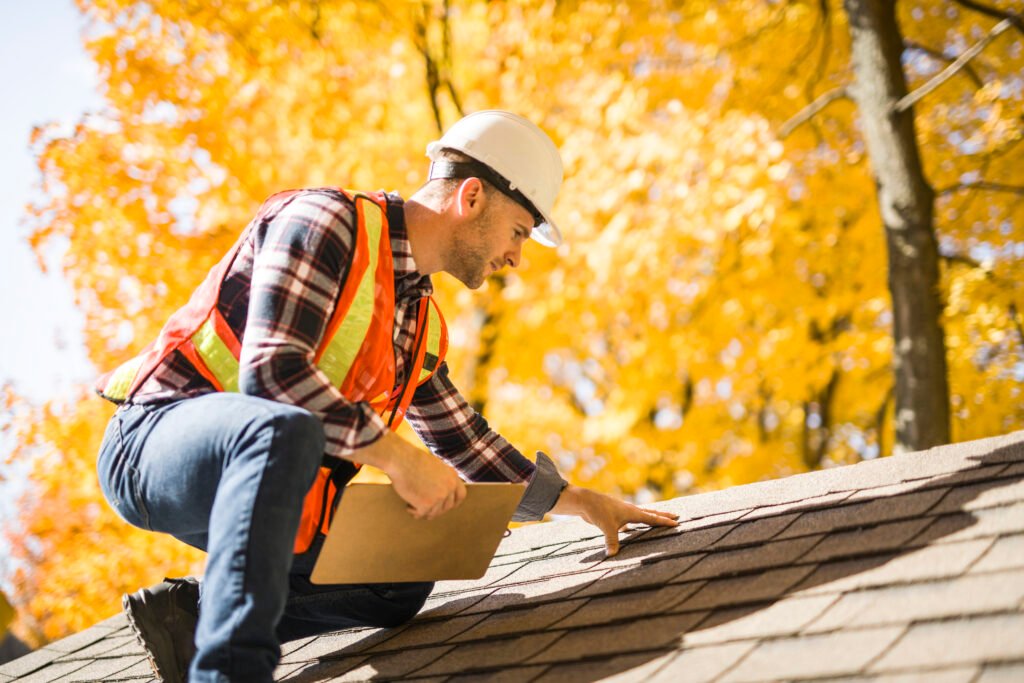
Battens are usually checked once the tiles have been removed. This allows the condition of the timber, fixings, and spacing to be properly assessed. If battens are borderline, replacement is often the safer option while the roof is already exposed.
When Old Roof Battens Might Be Reused
There are a few situations where reuse can be acceptable.
For example:
- Minor repairs where only a small section of tiles is removed
- Battens are dry, solid, and in good condition
- Battens are straight and firmly fixed to the rafters
Even then, any batten that shows signs of damage should be replaced. Mixing old and new battens is common, but only when it’s done properly.
Reusing battens that are past their best can cause tiles to slip, fixings to fail, and water to track into the roof. In many cases, this leads to further repairs that could have been avoided if the battens had been replaced at the start.
The Biggest Risk With Reusing Battens
The main issue isn’t always rot — it’s strength.
Over time, battens:
- Lose holding power
- Become brittle
- Stop gripping nails properly
This is especially important on exposed roofs or where modern concrete tiles are heavier than what was originally installed.

What We Usually Do on Site
On a full strip and re-roof:
- Old battens come off
- New felt and battens go on
- Everything is set out fresh
It’s quicker, cleaner, and avoids arguments later if something moves.
On small repairs:
- Replace only what’s damaged
- Make sure spacing and gauge still line up
- Check fixing points properly
Is It Worth Saving the Money?
In short — usually no.
Battens are one of the cheapest parts of a roof, but they do a lot of work. Saving a small amount by reusing old ones can cost far more if tiles start slipping later.
Final Thoughts
Roof battens are relatively inexpensive compared to the labour involved in re-roofing. Replacing them when needed is often the most sensible way to ensure the roof performs properly for years to come.
If you’re ever unsure, change them. It’s rarely a decision people regret.